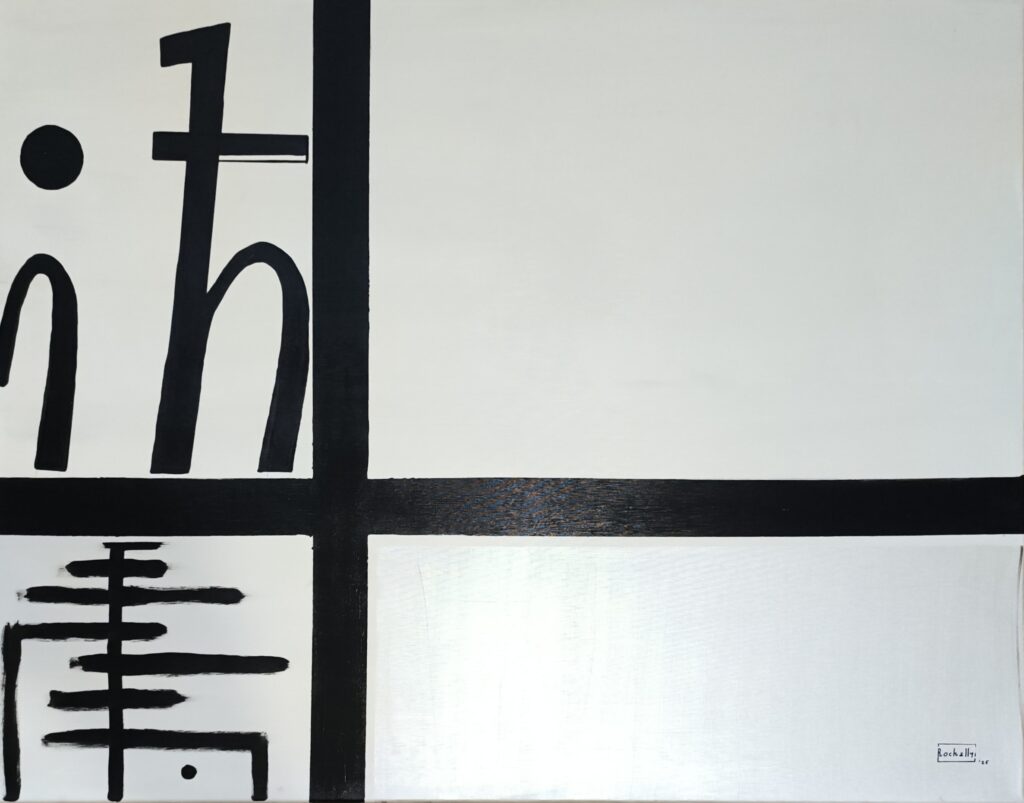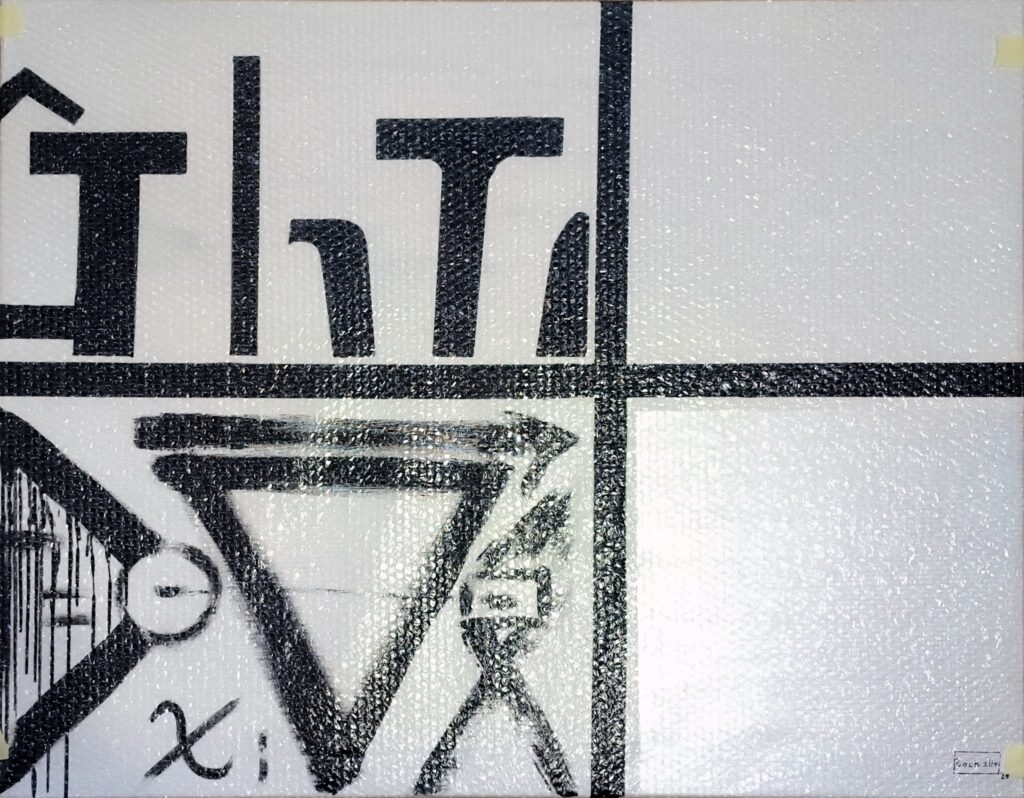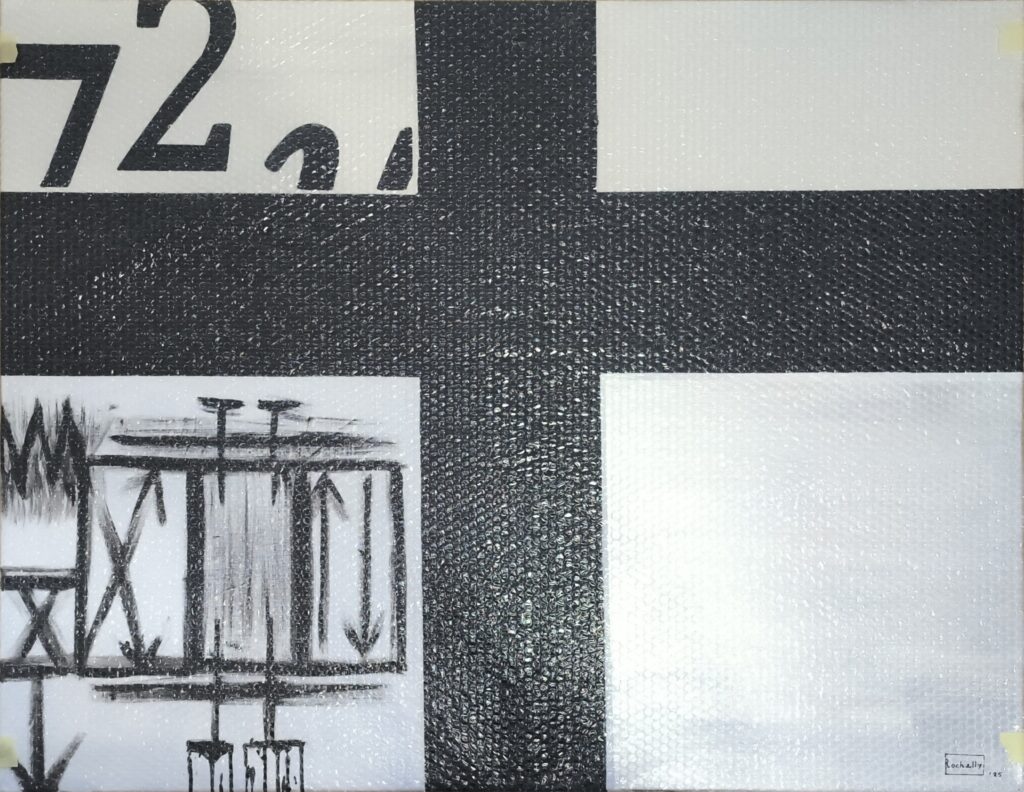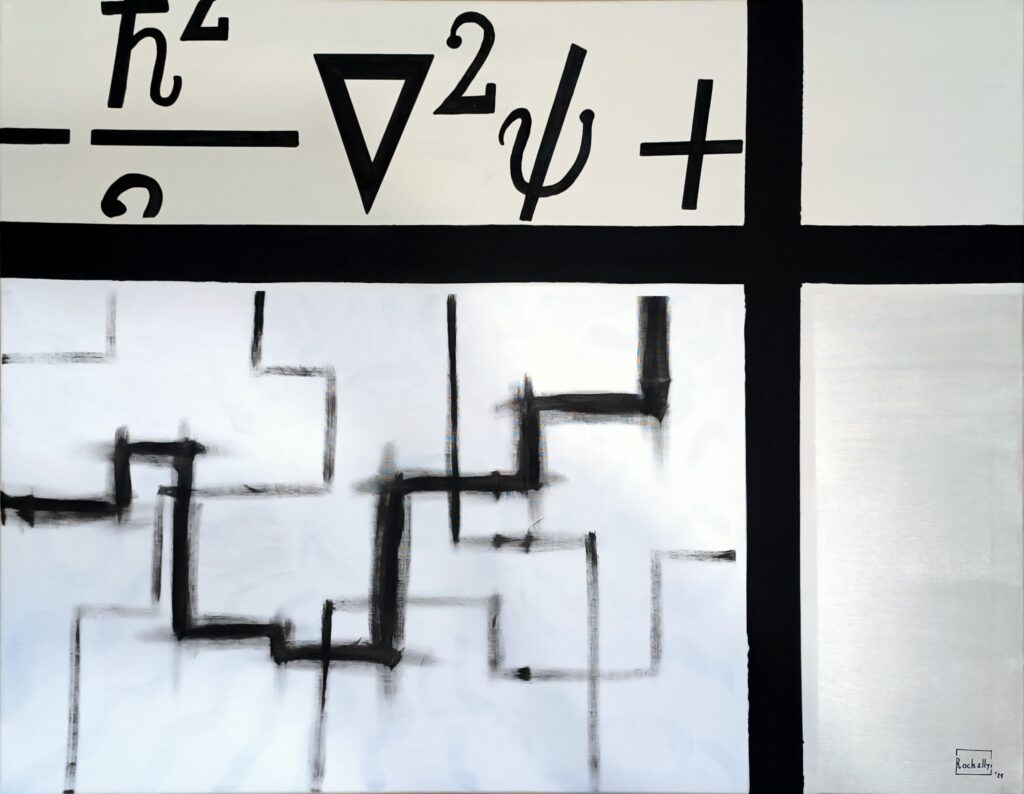
TORQ! begins with the premise that every artwork is a measurement of reality. A work of art selects and amplifies parts of the world by passing them through a rule-bound channel to produce a finite configuration that can be interpreted. In this view, art is not the opposite of STEM. Both fields build systems that filter reality, determine which variables matter, and preserve identity across change.
TORQ! describes an artwork as a logical organism. It is not just a collection of choices. Rather, it is a living structure made from elements, operations, and constraints. Meaning does not collapse into one message. Instead, the work generates a field of epistemic candidates—readings and responses that remain compatible with the work’s internal rules.
This matters because it changes the meaning of “expression.” Expression is not the beginning. Rather, it is an output of a designed system. TORQ! requires discipline before confession. It requires a cut in reality before a story about feelings.
The hardest part is the beginning. TORQ! calls this the methodological zero. It is the moment before the first mark, when you define the measurement rules instead of chasing content. You ask yourself what will count as material, which operations are permitted, what limits will constrain the work, and which invariant will preserve its identity over time. If the work falls apart when these constraints are made explicit, then it was never stable to begin with.
When I try to paint TORQ!, I try to capture that zero. I try to make the rule visible, not just the result. I strive to maintain coherence in the painting under its own operations. I use the M.O.R.I.T.Φ protocol as a practical checklist, not a theoretical framework. Material, operations, the rule or limit, the invariant, time, and mapping are decisions I must make on the canvas.